

Sharing factual information about pharmaceuticals is not, in any way, a judgment of the people who use them. 61% of Americans take at least one prescription drug. What are the verifiable impacts?
I have no interest in criticizing anyone’s decisions. I simply believe that knowledge is empowering. If you feel the same, this resource offers meaningful, practical value for your service work.


If you bring forth what is within you, what you have will save you. If you do not bring forth what is within you, what you do not bring forth will destroy you.
*This is an oft-cited translation from the text contained in the Nag Hammadi library. I used this one because it is immediately understandable and reflects the intention, but a more literal translation is also available.
Dear friends and colleagues,
I firmly believe that each of us holds a unique piece of the puzzle in creating health, peace, harmony, and beauty on planet Earth. Only you can know what your piece is, and I sincerely hope you’re advancing in your ability to articulate and live it because your success is my success and the planet’s success.
Today I’m sharing a resource that draws from my contributions toward the evolution of humanity as I envision it. I believe this resource holds deep practical value for providers. It’s a result of my passionate drive to deeply explore subjects that are often difficult to access.
As it happens, this particular area of research has been subject to a 116-year long assault on truth, courtesy of establishment medicine. Using increasingly sophisticated forms of messaging, predatory profiteers have promoted narratives that I’ve seen evolve over time — eventually reaching a point where compassion became weaponized in a concerted effort to control how people discuss matters of health. It seems to me that this specific aspect of the messaging became normalized only within the past two decades.
The message distortion goes something like this… Discussing the problems or dangers of pharmaceuticals is framed not as the presentation of decision-making information but as a form of personal attack. Speaking openly about drug-related harms is manipulated to be seen as denigrating or stigmatizing toward those who use them.
With this nefarious framing, the presentation of factual evidence about pharmaceutical harms can be interpreted as an attack on a vast swath of the population — including 61% of Americans — effectively silencing discussion by equating criticism of drugs with criticism of the people who use them.
Sixty-one percent of Americans say they’re currently taking at least one prescription medication, and 27% say they’re taking four or more.
Global use of medicines grew by 14% over the past five years and a further 12% increase is expected through 2028, bringing annual use to 3.8 trillion defined daily doses… The global use of medicines increased by 414 billion defined daily doses over the past five years and is expected to grow another 400 billion by 2028.
We Don’t All Have to Push Back Directly on Pharma but Some of Us May Choose To
If this subject isn’t of interest or doesn’t feel helpful to you, I completely understand. I invite you to move on from this post and explore the many other resources we offer on different aspects of health education and teaching support. We don’t all need to focus on the same things.
For those who find this subject useful, I want to be clear: sharing factual information about pharmaceuticals is not, in any way, a judgment of the people who use them. I have no interest in criticizing anyone’s decisions. I simply believe that knowledge is empowering. And with that spirit, I continue…
Having grown up in the 1970s when prescription drugs were rarely used and chronic disease was also rare, I find the dramatic escalation of drug use over my lifetime genuinely mind-boggling.
As it happens, I’m quite sensitive to a variety of unnatural substances and as a college student in the 1980s, I was prescribed an antibiotic that had me vomiting into a trashcan all night until there was nothing left to contribute to the can. Still, my body continued to heave for hours, retching up small pools of green bile. And so began a series of events that ultimately convinced me I needed a much deeper education—both about pharmaceuticals and about natural remedies.
What began as research to inform my own lifestyle ultimately grew into a more substantial service project. Eventually, I embarked on a deeper investigation and began publishing factual evidence of harm from various classes of pharmaceuticals including these:
Pharmaceuticals & diagnostics, generally + over-prescription
Acid blockers: PPIs and other drugs for acid reflux, GERD, heartburn, and gastric ulcer
ADHD drugs, stimulants
Alzheimer’s, dementia, and Parkinson’s drugs
Antibiotics
Asthma, allergy & hay fever drug, antihistamines
Blood pressure drugs
Chemotherapy, other cancer drugs, radiation
Diabetes drugs, metformin
Osteoporosis drugs, bisphosphonates
Over the counter drugs (OTCs)
Pain relievers, NSAIDs, opioids
Psychiatric drugs: antidepressants, SSRIs, anti-anxiety, benzos, other psychotropics
Scans, radiology, & ultrasounds (e.g. mammograms, CT scans, X-rays)
Seizure drugs, anticonvulsants, anti-epileptic drugs (AEDs)
Sleeping pills, sedatives
Statins
Steroids
Weight loss drugs
But it’s Only Useful if It Reaches People Willing to Entertain the Idea that They Could Be Making More Informed Decisions
In a previous newsletter, I suggested that what you probably need is a concise slide deck that highlights key findings from research on the impact of yoga on multiple health and disease categories — something you can use to promote classes, workshops and consultations. That type of slide deck would also be easy to incorporate into presentations of all kinds, helping to ground your material in solid, evidence-based results.
Well, I’m thinking the same might be true for evidence on pharmaceutical drugs. We’ve already done reams of research, categorized and organized it, and made it easily accessible via the Pharmaceuticals Hub here:

But I recently wondered, what if I could make it more concise and visual the way I’ve been making the other research?
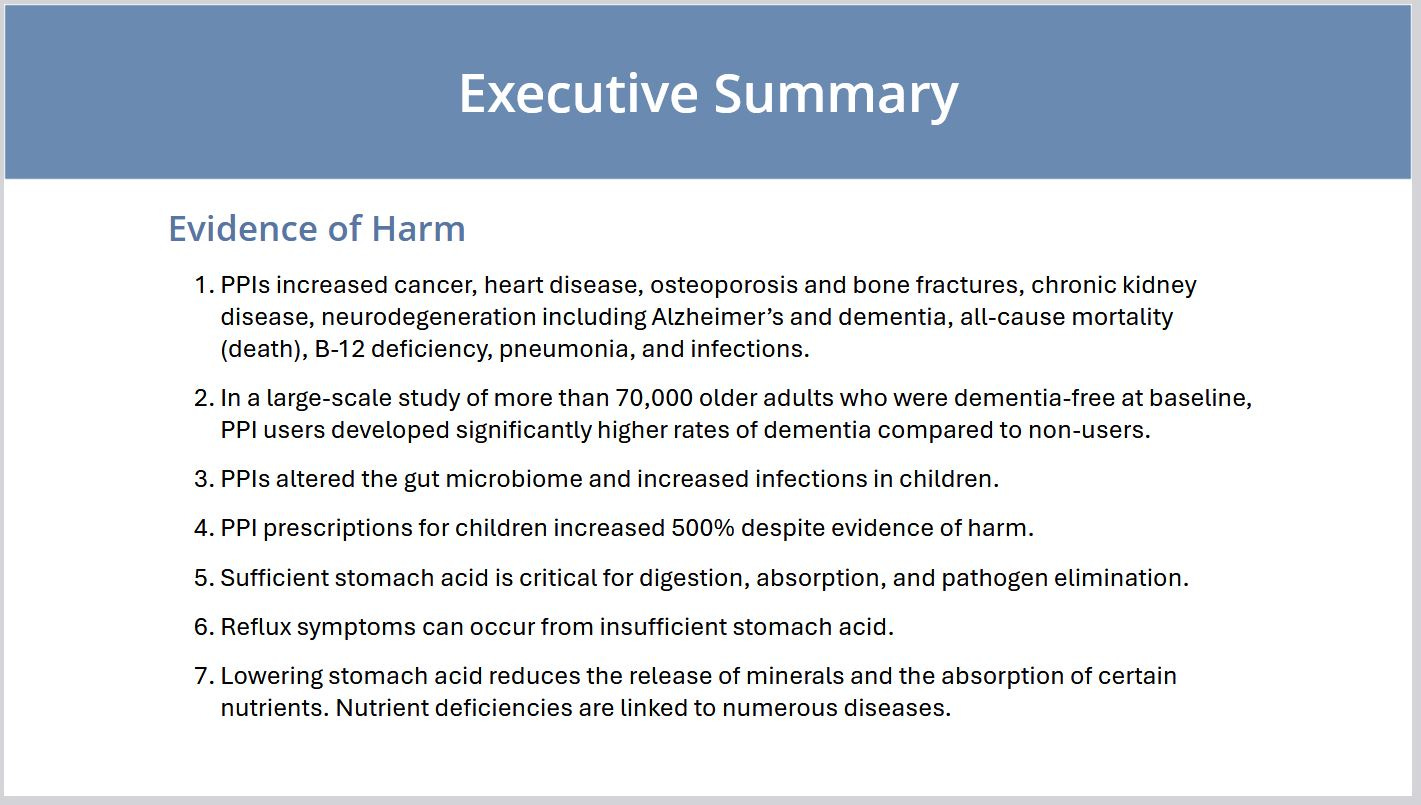
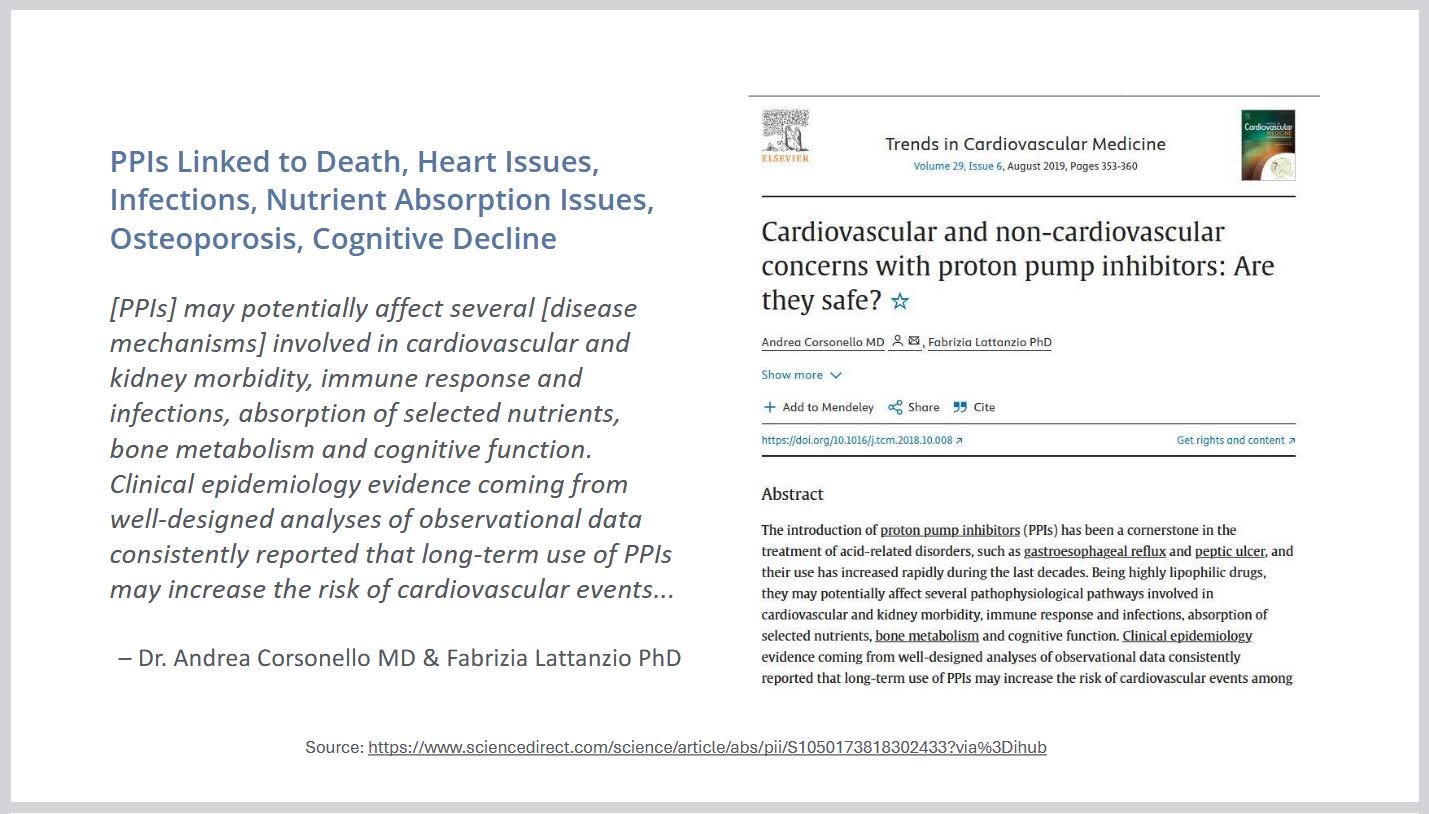
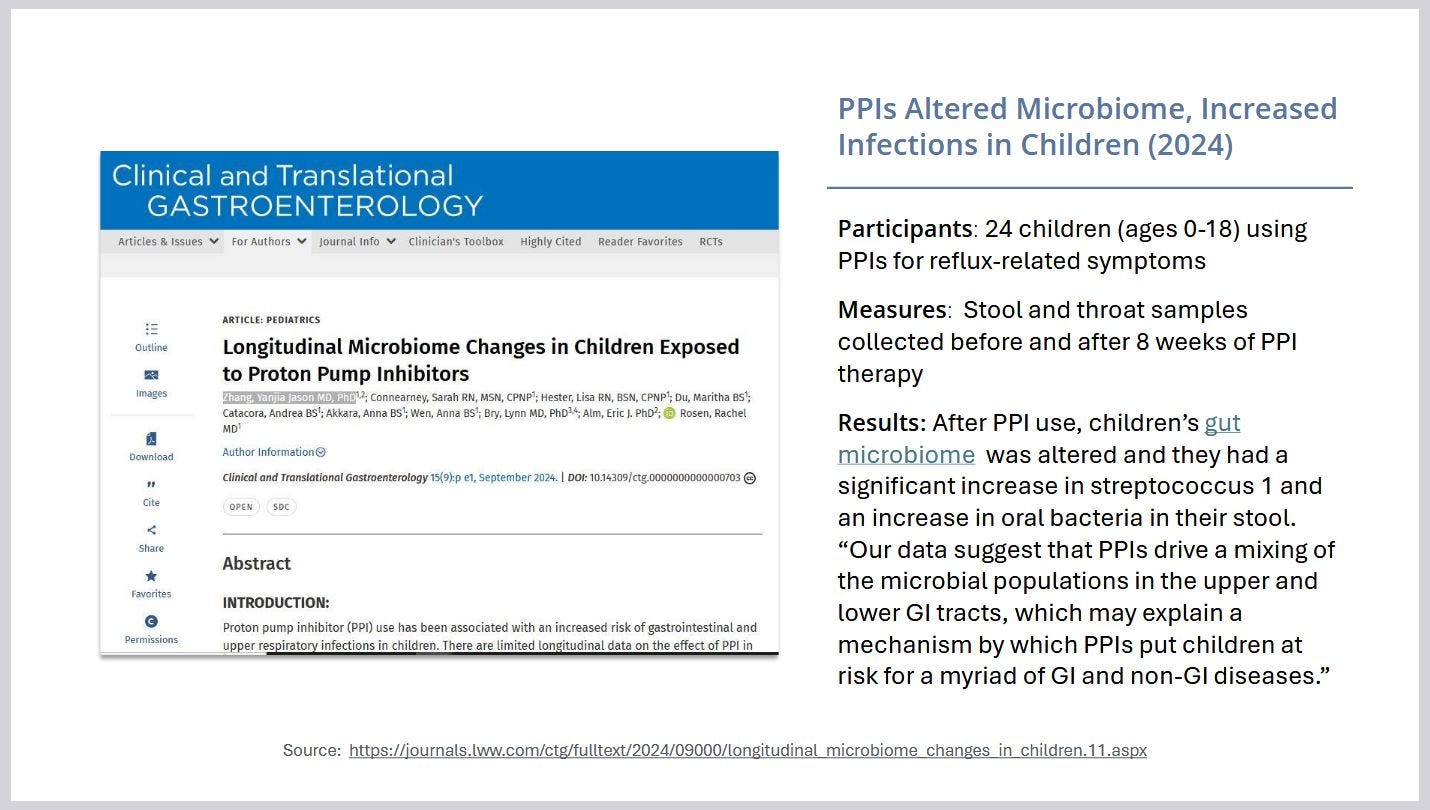
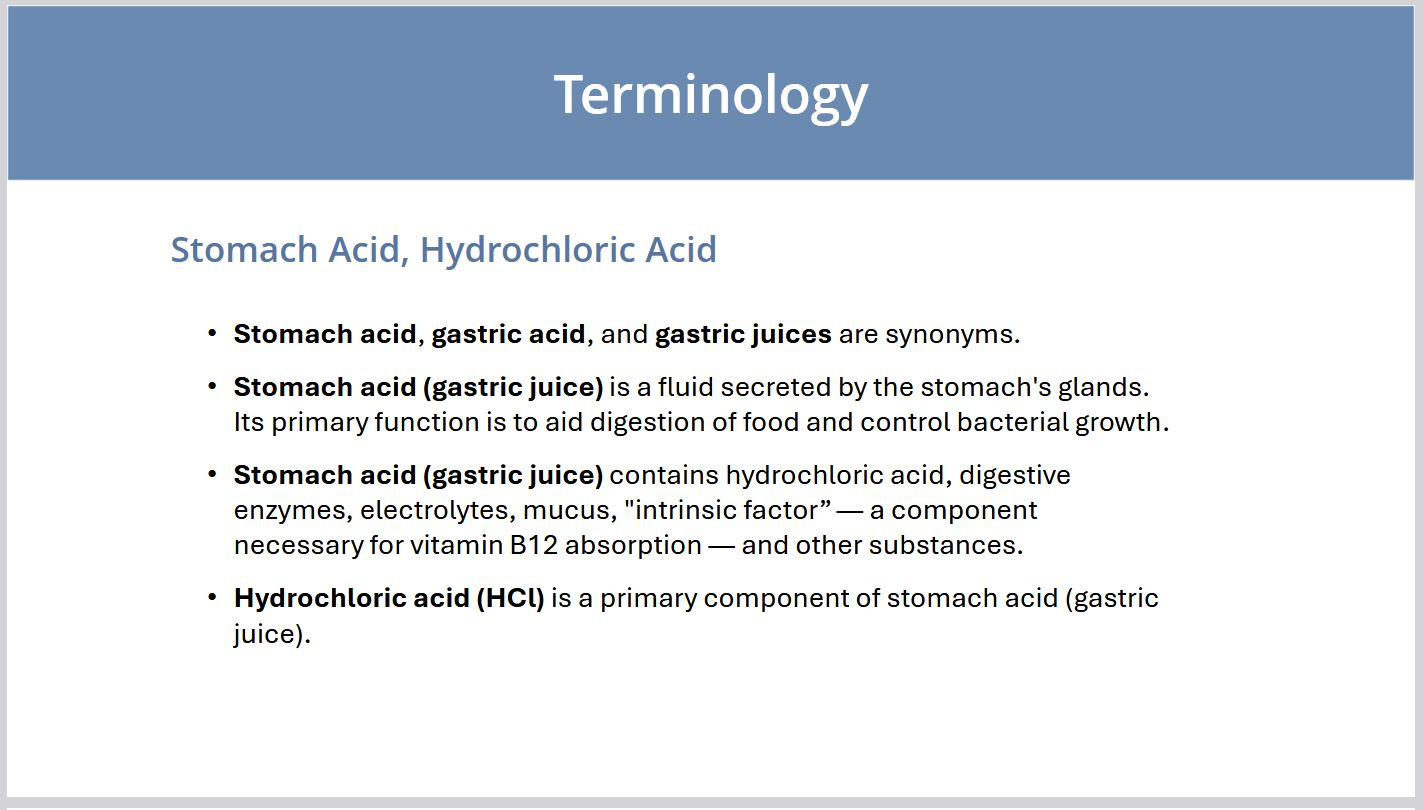
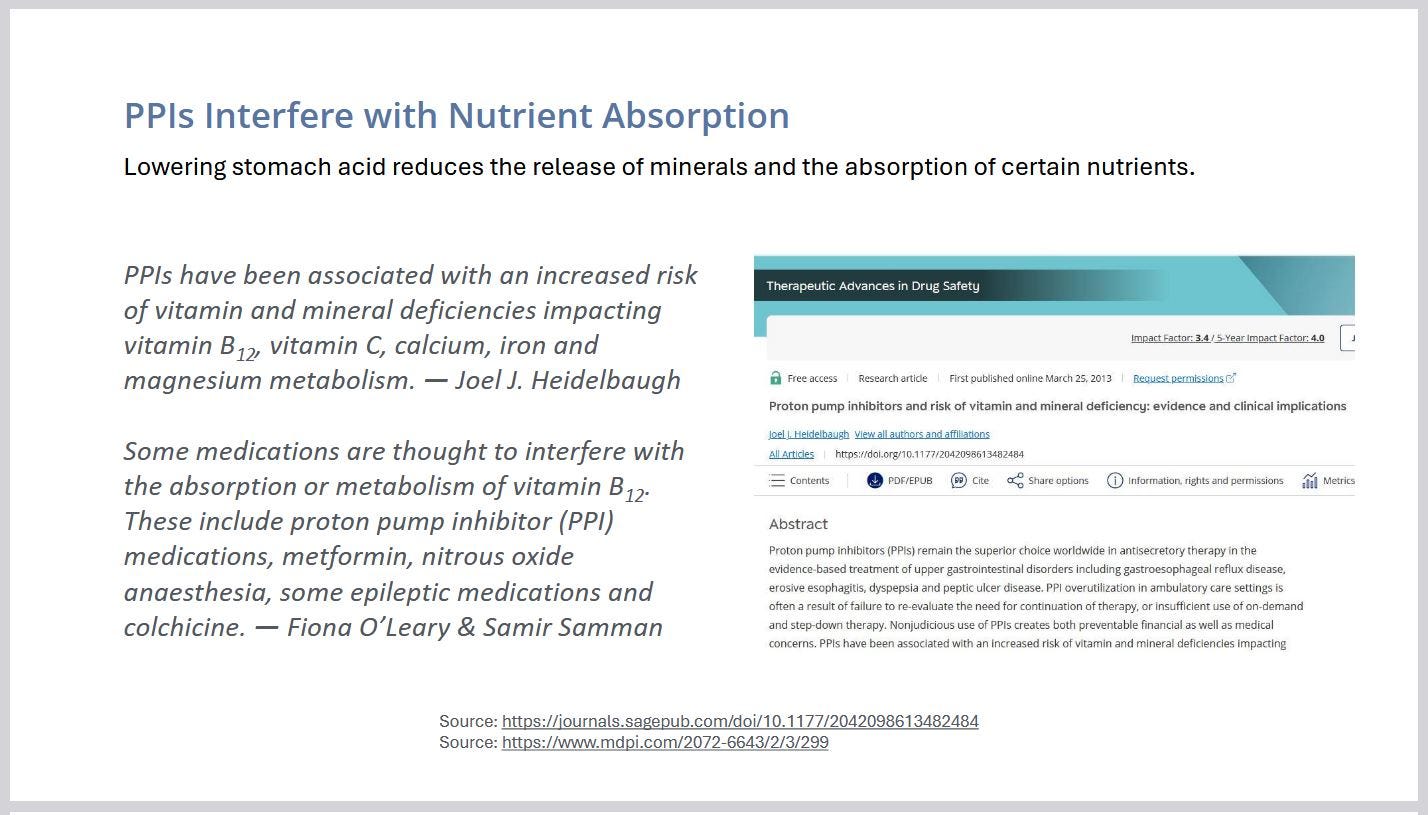
So I started with acid blockers and PPIs. Here are some excerpts:
We’re always grateful for feedback to optimize the materials we offer. And just a reminder that Associate and Trainer members can customize and brand the slides and hundreds of other resources to make them their own.
Sincerely,
Shelly Thorn
Getting the Materials
Non-members, see the store for PDF versions of the materials discussed above.
Members, here are a number of ways to view the research summaries and slides:
Online viewing — All members have access to all research summaries, including quick link to all original sources. Navigate from the Research Hub, Pharmaceuticals Hub, or Study Library.
Customizable PowerPoint files or PDF handouts for distribution — See the Download Library
Associate and Trainer Members — In the Download Library, see Presentation Slides
Provider and Teacher Members — For downloadable PDFs, credit packs are available as an add-on purchase as low as $3 per credit. Slide decks require 3 credits.
Membership as low as $19/month

Empowering wellness providers, coaches, yoga teachers, trainers, and health educators as they step into their next level of leadership and service.
Wellness Resource Center and Yoga Teacher Central have supported teachers and wellness providers since 2012, continually expanding our tools and resources to meet the needs of a changing world.
As the world undergoes rapid change—including systemic breakdown and the rise of AI—we bring together practical knowledge and supportive community to meet the moment. Everything we offer is designed to help you stay aligned, resourced, and grounded as you care for others.
What Members Get
A blend of knowledge work and community support tailored to your unique needs.
Personalized support to focus your efforts, maximize your time, and amplify your impact.
Evidence-based resources, delivered in context and designed for real-world application.
A flexible knowledge base with guided pathways to support your evolving learning and service goals.
Practical support for workshop and training development, including content, lecture notes, and handouts.
A collaborative, values-aligned community for meaningful connection, inspiration, and learning.
Also available: customizable content you can distribute as your own —for trainings, courses, workshops, series, presentations, and consultations.
We’re thoughtful and analytical, but heart-led in everything we do. Empowerment is the center of our work. You empower others—and we’re here to empower you.
Our Associate memberships provide something rare: carefully crafted, high-quality content you can adapt, personalize, and offer as your own.
How can we help you today?
Verifiable research on evidence-based therapies and leading-edge tools? Check.
Focused support that helps providers contextualize and individualize their services? Check.
Curricula for trainings, workshops, coaching, and client consultations? Check.
Customizable content you can share as your own—without paying distribution royalties? Yes, even that!
Packages & Pricing
Select from two membership tracks:
Take the Lead (provider and teacher support) — Evidence-based education, research, and resources to support planning and preparation for teaching, coaching, and consulting. Pricing starts at $19/month with an annual commitment. Installment pay and shorter-duration memberships are available at slightly higher monthly rates.
Associate (customizable content for trainers, consultants, educators) — Provider membership plus customizable content and lifelong, royalty-free distribution rights for trainings, courses, workshops, series, presentations, and consultations. Scaled pricing and a flexible credit system give you complete freedom to select exactly what you need from more than 500 subjects. Pricing as low as $400 for content and lifelong distribution rights.
Thanks for your research and its useful curation.
Towards Health Freedom for everyone.